How the Cinema Visit Changed from Picture Palace to Multiplex
Explore how the cinema visit changed from picture palace to multiplex, with a clear account of shifts in programming, audience choice, and the rhythm of a screening.
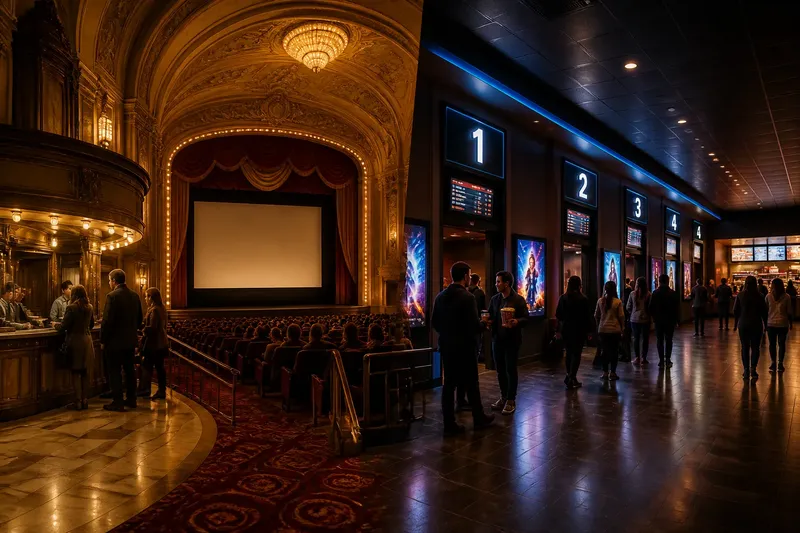
The cinema visit changed from picture palace to multiplex not in one clean sweep, but through changes in how a theater arranged films, audiences, and time. A grand single-auditorium venue and a multi-screen cinema can both make a screening feel like an occasion; the distinction lies in how each organizes the choices around it.
What did a single-auditorium theater organize?
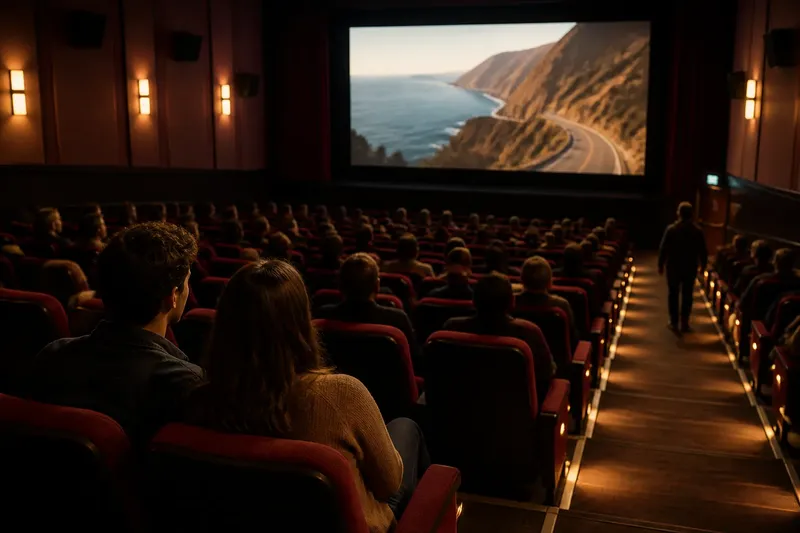
A theater with one main auditorium has a simple program to communicate: a film, a show time, and a room. Its architecture may make the visit feel ceremonial, but that impression depends on more than ornament. The building’s entrance, ticket office, and auditorium guide visitors toward the same scheduled event.
For the audience, this arrangement concentrates attention. People arriving for one performance share a destination and a start time. The theater’s program offers fewer simultaneous choices, so the decision about what to see is more likely to happen before the visit than among options inside the building.
That does not mean every visit was formal or every audience moved together. It describes the organizing logic of a single-screen program, not the private mood of each moviegoer. A routine screening could remain routine, even in a richly decorated theater.
What changes when a theater adds screens?
Consider a clearly invented neighborhood theater that begins with one auditorium, then adapts its fictional building by dividing programming among several rooms. This imagined case illustrates a change in organization; it is not a claim about the history of any particular theater or a universal account of cinema development.
With several films or show times available at once, the venue must distinguish one screening from another. The visitor chooses a title and time, then identifies the corresponding room. The central change is not simply a larger building: the program now contains parallel events, and the audience is distributed among them.
This shifts some planning toward the individual. A visitor may compare titles before leaving home or decide after arriving. Either way, the theater presents alternatives, and the moviegoer must match a preference to a particular screening. More choice changes the decision, rather than removing it.
How does a multiplex change the rhythm of a screening?
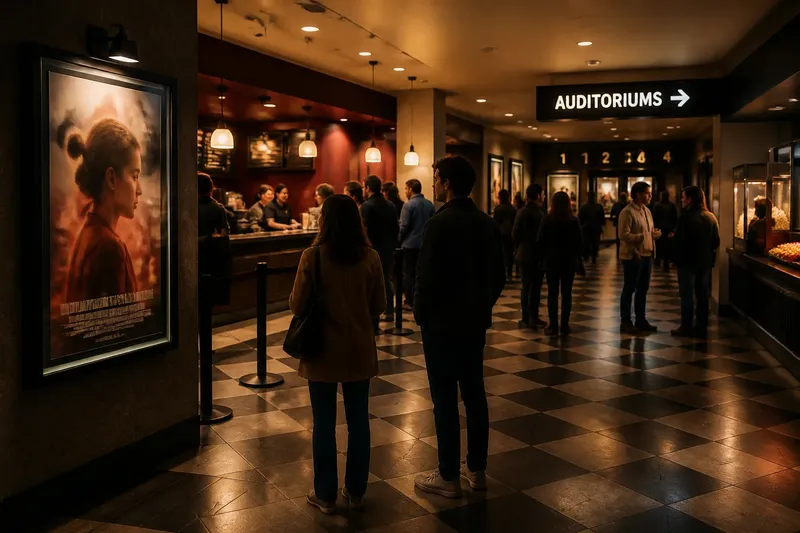
A multiplex can run different films at overlapping times, so the building no longer moves around a single shared start. Its public spaces serve people attending separate screenings, and the audience for one film forms a smaller part of the venue’s activity.
That arrangement can make the outing easier to fit around a person’s day, but it can also make the program feel less unified. The tradeoff is between a concentrated event and a broader set of options. Neither structure dictates whether a visitor treats the film as a major occasion or a casual stop.
Imagine a fictional moviegoer, Lena, whose evening opens only after work. In this invented situation, a single-screen theater offers a screening that starts too early, while the imagined multiplex lists the same film later. Lena chooses that later show and arrives in time; the observable result is a visit that fits her available evening, while the tradeoff is that she has to select among several times and confirm which auditorium hosts her film.
What questions explain the shift from picture palace to multiplex?
Did multiplexes make moviegoing spontaneous?
More concurrent films and show times can leave room for a later decision. The visitor still has to choose a title and a screening, so flexibility alters the planning rather than erasing it.
Did the cinema visit stop being an occasion?
No format determines how important a screening feels to its audience. A multiplex visit can anchor an evening, while a visit to a grand theater can be an ordinary part of the day.
What changed most for the audience?
The main shift is from a program centered on one event toward a program with parallel options. That changes how viewers select a film and how many separate audiences can occupy the same venue.
What is not worth the effort when comparing eras?
It is not useful to treat “formal” and “casual” as fixed qualities of particular theater types. The number of screens helps explain scheduling, but it cannot tell us how a specific visitor felt about the evening.
Which concrete details reveal how a cinema is organized?
- Check whether the program presents one film or several at the same time; if it offers one shared screening, expect a more concentrated program, and if it lists parallel films, compare titles before choosing.
- Check whether each screening is tied to a named auditorium; if the room is specified, match the ticket to that room, and if it is not clear, ask theater staff rather than guessing.
- Check whether the published schedule groups screenings around a common start or spreads them across the day; if one start dominates, plan around that event, and if times vary, choose the one that fits your evening.
- Check whether ticket information identifies a particular film and time; if it does, keep that selection in mind, and if it does not, confirm the screening before entering the auditorium.
- Check whether the theater presents the film as part of a single program or among concurrent choices; if it is a single program, expect fewer simultaneous alternatives, and if choices run in parallel, decide which title matters most.
- Check whether the venue’s layout directs audiences toward one main room or several distinct rooms; if there is one destination, follow the common route, and if there are several, use the auditorium information rather than assuming all visitors are headed to the same place.
These details are useful because they describe the theater’s organization without pretending to reveal the audience’s feelings. For the search phrase cinema visit changed from picture palace to multiplex, the clearest answer is a shift in how programming distributes choice: from a central event toward several concurrent possibilities.
The distinction is not a verdict on which kind of theater made the better night. It helps explain why one building might orient the audience around a shared performance while another lets visitors assemble separate plans under one roof.