Planning a Rainy Night at the Movies Without Overcomplicating It
Plan a rainy night at the movies with simple choices about food, rain gear, and getting home, so weather stays manageable and the screening stays enjoyable.
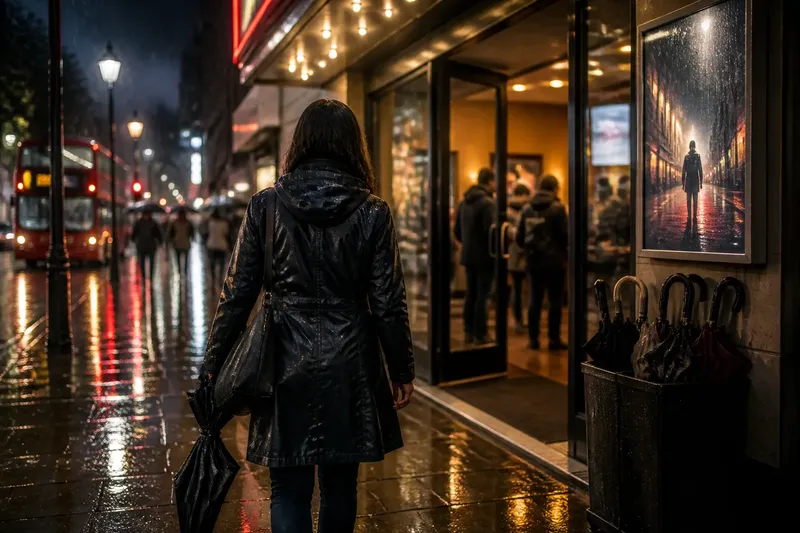
A rainy night at the movies is easier when the outing is built around what the weather actually permits. A damp coat, a crowded umbrella stand, or a bus delay can change the feel of an evening, so decide in advance which parts matter and which can be dropped.
The aim is not to make rain picturesque. It is to avoid spending the film thinking about wet shoes, a distant dinner reservation, or an unnecessary walk afterward. A few concrete choices can protect the screening without turning the night into a logistics exercise.
What makes a rainy night at the movies manageable?
Rain makes the spaces between activities more noticeable. A meal across town may mean carrying an umbrella through a crowded restaurant; a long wait before the screening can leave you uncomfortable; and a route home that seemed pleasant earlier may feel tiring after the credits.
Start by deciding what you most want from the evening: the film, a meal, or time outdoors. Keep the other parts modest. If the screening is the main event, choose food nearby or eat beforehand, and treat any post-film stop as optional. This is less about keeping every plan flexible than about choosing a scale for the outing that fits the conditions.
Check the forecast, theater entry details, and transit service before leaving. Then stop planning. A minute-by-minute schedule, several backup restaurants, or a carefully optimized route is not worth the effort for an ordinary evening out.
How should you choose a film and theater for rainy weather?
Choose a screening that suits your mood and the trip you are willing to make. A neighborhood theater close to a familiar bus line may be preferable to a venue that requires a long walk between stops. If you want a particular film more than a particular cinema, compare the listed entrances and routes before buying a ticket.
Check the theater’s website for the entrance location, ticket pickup instructions, and policies for bags or umbrellas. If the venue is unfamiliar, use a map to identify the transit stop and a straightforward route from it. You need to know how to reach the door, not plan every turn of the evening.
Skip the idea of adding a second screening or distant meal simply because the schedule has an open space. A nearby café or a direct route home is a more useful fallback than an elaborate itinerary that depends on the rain behaving.
What rain gear and bag make sense indoors?
Choose gear for the trip you expect to take and the theater you will enter. A hooded coat keeps your hands free. An umbrella may provide more coverage, but it needs somewhere to go once you are inside. A small bag that closes can keep a phone, wallet, and other essentials dry without becoming awkward in a crowded row.
Check whether the theater has an umbrella stand or restrictions on large bags rather than assuming it does. If you use a cane, carry medication, or have another essential item, make room for it before trimming the bag. Venue rules and transit instructions take priority over general convenience.
Keep wet items contained when possible. A small pouch for an umbrella or a cloth for damp glasses can be useful if you already know those are recurring irritations. There is no need to bring a collection of weather accessories for every unlikely problem.
What should you do if rain changes the plan?
First decide whether getting to the theater remains comfortable and safe for you. If it does, simplify the meal or drop the walk. If the route or conditions make travel unsuitable, reconsider going rather than treating attendance as a test of resolve.
For a delayed bus or train, check the operator’s service updates and contact the theater if you may miss the start. Late-entry and ticket-change policies vary, so do not assume the venue can accommodate a delay.
Say you have a ticket at a neighborhood theater and had planned to eat across town. The starting situation is a steady shower and a route that requires two outdoor transfers. You check the transit operator’s service notice, see that the first transfer is delayed, and choose a simple meal near the theater instead. You then take the direct route to the venue and, after the film, decide between the nearby bus stop and a short walk based on the rain at the door. The observable result is a less complicated trip, while the tradeoff is giving up the restaurant you originally chose.
Once inside, fold or contain wet gear where the venue allows it. Take a moment to settle your coat and belongings, then leave them alone. Drying every drop is not a useful preoccupation; avoiding discomfort and keeping water off neighboring seats is enough.
How do you decide how to get home after the film?
Make the choice after the screening, when you know your energy and can see the actual conditions. A familiar, well-lit route may feel pleasant in light rain. If the pavement is slick, the rain is heavy, or you are tired, transit or another suitable way home can be the better choice.
Use ordinary landmarks if you walk: a main street, an open business, or a transit stop gives you a clear point to change direction. Avoid isolated shortcuts or distance targets that turn a simple trip into an obligation. The walk is one possible way to travel, not the measure of whether the evening worked.
Rain can make shop windows and street reflections more noticeable after a movie, but you do not need to extend the outing to appreciate them. A few blocks on the way to transit may be enough; so may heading straight home.
What should you decide before leaving for the theater?
Should I eat before or after the movie?
If you are likely to be hungry during the screening, eat beforehand somewhere near the theater or on your direct route. If you prefer to eat afterward, identify a nearby option and check its hours rather than relying on a distant reservation.
Should I bring an umbrella or wear a raincoat?
Choose based on the forecast, wind, and how you prefer to manage wet gear indoors. A hooded coat keeps your hands free; an umbrella may provide more coverage but needs to be folded and stored at the venue.
How much time should I allow for the trip?
Use the route you actually plan to take and allow enough time to avoid rushing, especially if you need to collect a ticket or check a bag. Confirm the theater’s entry instructions and transit notices before you leave instead of adding an arbitrary wait in wet clothes.
What if the weather makes walking home uncomfortable?
Choose transit or another appropriate route home. If you are already walking and conditions change, use a familiar main street or stop at a suitable public place to reassess rather than pressing on.
Which small decisions make the biggest difference?
Before leaving, check a few observable details and let each one guide a practical choice:
- Check the forecast for steady rain or wind; if conditions look manageable, take the gear you normally use, but if they look difficult, choose a shorter route or reconsider the outing.
- Check the transit operator’s service notice for delays; if the planned connection is running, use it, but if it is disrupted, choose a direct alternative or contact the theater about a possible late arrival.
- Check the theater’s posted umbrella and bag rules; if your items are allowed, bring them, but if a large bag is restricted, leave it at home or use a smaller one.
- Check the route for a clear, familiar street between the stop and theater; if one is available, use it, but if the route requires an uncomfortable walk, choose a closer stop or another venue.
- Check whether you will need food before the screening; if you will, choose a nearby meal, but if you will not, skip the stop and keep the trip direct.
- Check your shoes and coat before setting out; if they feel suitable for wet sidewalks, take the planned route, but if they do not, choose transit or change into more suitable clothing.
- Check how you feel at the theater door after the film; if you have energy and the pavement feels comfortable, walk a familiar stretch, but if you are tired or the surface is slick, take transit or go directly home.
Planning a rainy night at the movies is mostly a matter of matching the route and extras to the conditions you can see. A simple meal, suitable rain gear, and a clear way home leave less for the weather to decide. The useful final check is at the theater door: choose the route that feels appropriate then, not the one you imagined before the rain began.