Matinee or Late Show: Choosing the Shape of a Cinema Outing
Matinee or late show? See how timing changes the feel of a cinema visit, from daylight streets and post-film conversation to the quiet of a late-night exit.

A matinee and a late show can make the same neighborhood theater feel like two different places. The difference is not simply the hour: a matinee puts the cinema among the day’s ordinary scenes, while a late show gives the marquee and the walk outside a sharper place in memory.
What does a matinee change?
A matinee often places the theater inside a day already in motion. You might step in after a market visit, then come out to open shops and the familiar traffic of the afternoon. That setting can make a neighborhood cinema feel less like a special destination and more like part of its surroundings.
It also changes the moments after the credits. There may be time to walk to a café, browse a bookstore, or take a seat on a nearby bench. Conversation can stretch without turning into a negotiation over the last train home.
For a first visit to an unfamiliar theater, daylight makes the route easy to read: the entrance, transit stop, and nearby storefronts are visible in their everyday context. The building itself may seem less formal when people are coming and going for errands as well as films.
Why does a late show feel distinct?
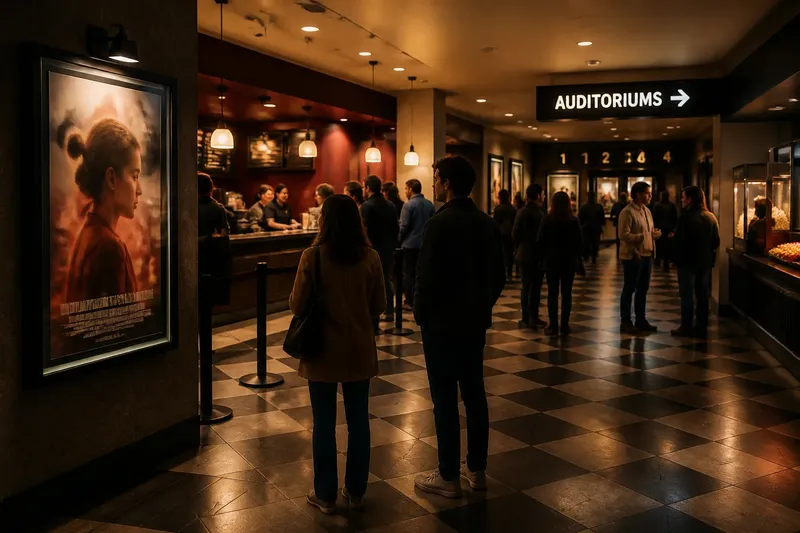
At a late show, a lit marquee can become the brightest point on a familiar block. The streets may be quieter, a restaurant’s front windows may glow against the dark, and the theater’s doors can feel like a threshold between the city and the film. Those details frame the visit without needing to become a grand occasion.
The late hour can also shape the exit. A crowd spilling onto a quiet sidewalk, the sound of a closing shop, or a final train announcement may linger alongside the film. The screening is still the center of the evening, but the city around it supplies a different afterimage.
Think through the return route before choosing a late screening. Check the transit schedule and the walk between the theater and your stop, or decide whether another ride option suits you. That small decision lets the last moments outside the cinema remain part of the outing rather than an avoidable scramble.
Which time suits the occasion?
Start with the kind of cinema visit you want to remember. A matinee can leave room for a casual conversation afterward; a late show can make dinner and a film feel like one continuous evening. Neither format makes a film more serious or more enjoyable by itself.
- A relaxed conversation: If daylight and an open-ended chat sound appealing, choose a matinee; otherwise, plan a brief post-film conversation near the theater or on the ride home.
- A meal followed by a screening: If you want dinner to lead directly into the film, choose a late show; if the restaurant closes early, eat beforehand or choose an afternoon screening.
- A solo visit to a new neighborhood theater: If seeing the surrounding streets clearly matters, choose a matinee; if you know the route and prefer the nighttime atmosphere, consider a late show.
- A quiet interval after the credits: If you want a walk or time to sit with the film, check which screening leaves that space; otherwise, make the journey home the pause.
- A group with different routines: If one time gives everyone a straightforward arrival and return, choose it; if neither works for the whole group, pick another day rather than forcing a strained plan.
- A long film: If a late finish would make the return trip awkward, choose an earlier screening; if the route remains simple and the group is comfortable with the hour, the late show may suit.
Imagine two friends choosing between an afternoon and a late screening of the same long drama. One wants to talk about the ending over coffee, while the other has an early morning and would rather be home promptly. They check the published runtime and the last convenient train: the afternoon showing leaves time for a short café stop, while the late one would mean leaving without much discussion. They choose the matinee, accepting that dinner will be separate; the observable result is a calmer exit and a conversation that does not have to compete with the departure time.
How do energy and attention enter the choice?
A screening time can affect how present you feel in the room. If an early start tends to leave you tired by night, a matinee may suit a quiet, dialogue-heavy film. If mornings are rushed and evenings are calmer, a later screening may give you a more settled arrival.
There is no fixed hour for a genre. A comedy can be a welcome end to a demanding day, and a contemplative film can work just as well in daylight. Your own habits and the theater’s setting matter more than a rule about what belongs at a particular time.
Food is a modest but practical consideration. If a matinee overlaps lunch, decide whether to eat before the screening or find somewhere afterward. For a late show, check whether the nearby places you have in mind will still be serving when you arrive.
Not worth the effort: trying to match every film to a supposedly perfect hour or reshaping an entire day for a subtle change in mood. When both showings suit the visit, the theater’s location and the surrounding streets can be a better reason to choose one.
What should you check before choosing a matinee or late show?
A quick look at the venue listing and your route can settle the choice. Check the screening’s stated runtime, any entry notes, and the route you will use after the film. If you are meeting someone, agree on a specific place to meet and whether you will eat before or after the screening.
- Runtime and start time: If the listed finish leaves room for your next commitment, keep that showing; if it does not, choose an earlier one or clear the next commitment.
- Return transit: If service continues after the film, use that route; if it does not, choose another screening or arrange a suitable alternative ride.
- Nearby food: If a café or restaurant is open when you plan to arrive, keep it in the plan; if not, eat before leaving or choose a different stop.
- Arrival margin: If the route leaves time for the box office or a delayed connection, use it; if it is tight, leave earlier or select a more convenient screening.
- Company’s preferences: If everyone wants to linger after the film, choose a time that allows it; if someone needs to leave promptly, plan a direct trip home or choose another showing.
- Venue access and entry: If the theater’s current access or entry information fits your needs, proceed with that plan; if anything is unclear, contact the venue before booking or choose a screening with clearer arrangements.
How do you know whether the screening will feel busy?
Does a matinee usually have a different crowd?
The audience depends on the theater, film, and day, so the hour alone is a weak guide. Check the venue’s current seating information if the likely crowd matters to you.
Will a late show be quieter?
Not necessarily; a popular film can draw a full room at a late hour. Look at the specific screening’s available seats rather than relying on the label.
Does the auditorium matter more than the time?
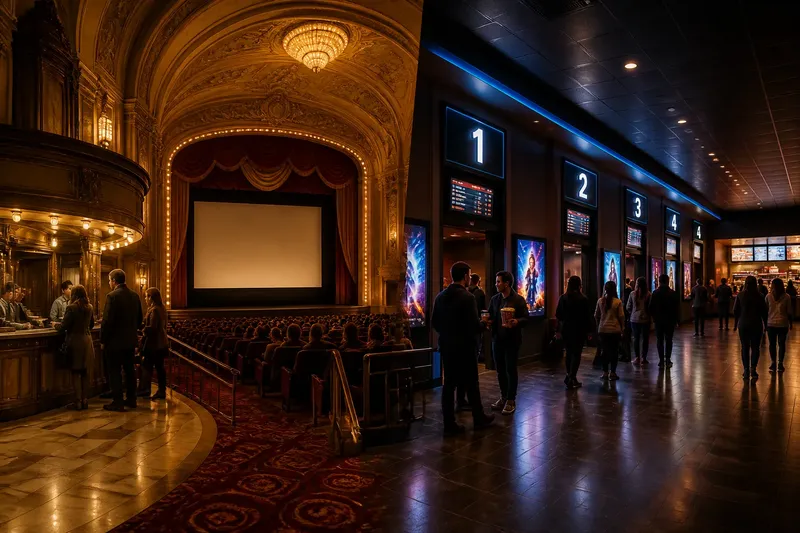
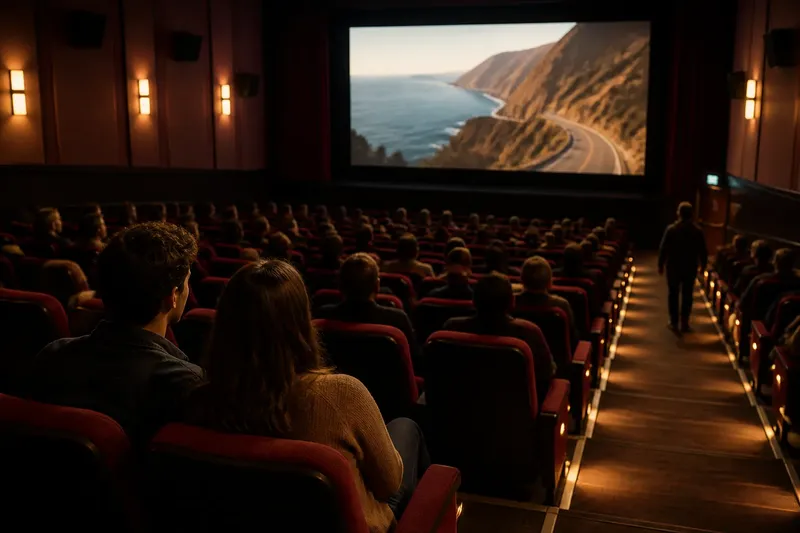
It can. A smaller room, a large screen, or a particular seating layout may shape the visit more noticeably than whether the show starts in daylight or after dark.
Can the theater’s listings help settle the choice?
Yes, when they include the room, start time, runtime, and entry details. Use the listing for what it states, and avoid assuming that every screening at the same hour has the same atmosphere.
For a matinee or late show, the useful distinction is the shape of the visit: daylight around the theater, or the quieter frame of a night screening. Check the specific room and route, then choose the showing whose surroundings make the cinema feel like the outing you actually want.